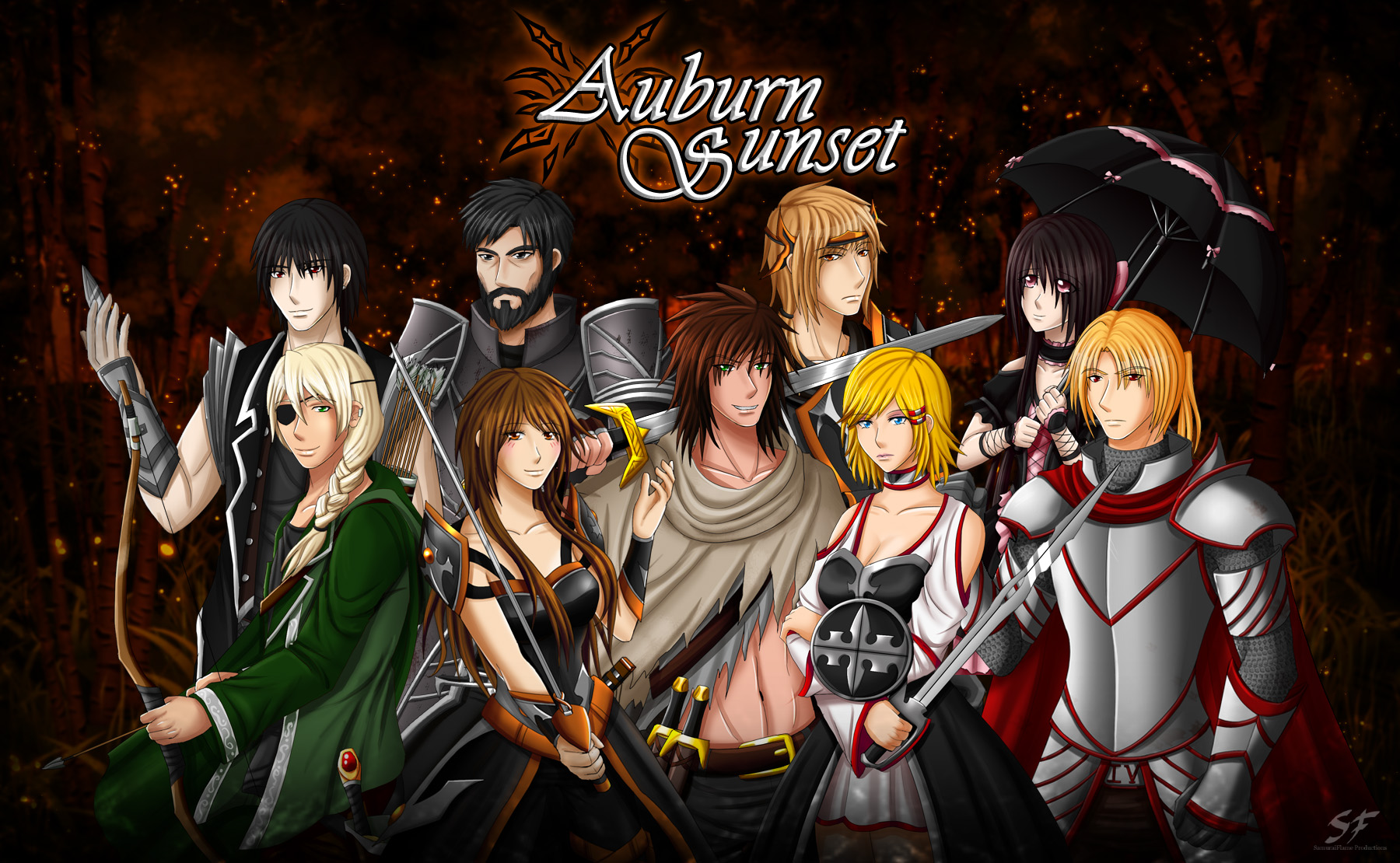
Large casts are always interesting to work with! Are you thinking of a more free-for-all format where many characters may simultaneously hold the spotlight (i.e. "everyone is the main character"), or where the core cast is still small but it is key for the audience to be knowledgeable about a greater cast? I don't have much experience dealing with either but I'll try contributing to the brainstorm.
Introduce your characters in well-visualised groups. Use visual media to your advantage, and make cast members who are waiting for their time in the limelight prominent (or at least distinct enough to recognise) in groups which include characters the readers are already familiar with. Then when it's that character's turn, use it as an excuse to bypass a static introduction (unless necessary).
In the case of a plot-heavy series with an exceptionally large cast, it might be wise to sacrifice personal development in favour of relationship development, with the exception of when personal development aligns directly with the plot progression. No character should obviously become a satellite of another, but a lot of a reader's perceptions on a character can be manipulated just by how others with well-established personalities think of them. Sometimes, an overall structure or hierarchy that a reader sees will be the easiest way to distinguish between two characters (e.g. knight vs. knave, rich vs. poor, powerful vs. powerless).
I can't really think of anything groundbreaking, ahaha. I think the big thing to remember with larger casts is that character development and likeability will become extremely difficult to balance. No reader wants to get stuck on multiple arcs lead by all these characters that they dislike and/or don't care about. Overall, everything depends on the endgoal; if it's a riveting plot, kill useless dawdling on the side about characters X and Y if it's truly irrelevant, and aim to capture that aspect of them through the story instead. If character personality is a bit more important, then stroll through the daisies if need be.
Also, a couple of personal things I have for/against certain portrayals of large casts:
- If an artist is bad at capturing variety/diversity in characters, please do not do large casts. 10 different characters who all look exactly the same is impossible to deal with (unless this is part of the plot). I remember reading Hiroki Endo's Eden (great series though) and was tearing my hair out at how two certain characters from completely different political factions looked exactly the same. After a long break from reading, I went back to the series seeing them as the same person--throw in a complicated plot that easily can leave the reader at the wayside and I was utterly confused.
- Likewise, if an artist cannot draw the same character consistently for more than a couple pages at a time, do not consider a large cast unless this is somehow part of the plot.
- Not every character's childhoods need to be explored in detail! Some of the best storytelling is done organically; implied over than said. The more you can imply, the more mystery you add to a character. In too big of a cast, it's best if most characters retain an element of mystery--both for practicality and so to ensure the reader won't be tired of them all at once!
- If a character doesn't need to be in the foreground, don't force them into the foreground.
- The more characters there are, the more important each character's flaws become. If you're handling a large cast, consider fleshing each character's flaws before you do their strengths.
I believe varying storytelling methods can allow large casts to be introduced in very different yet equally effective ways. So like, everything really just depends on the author's vision lol