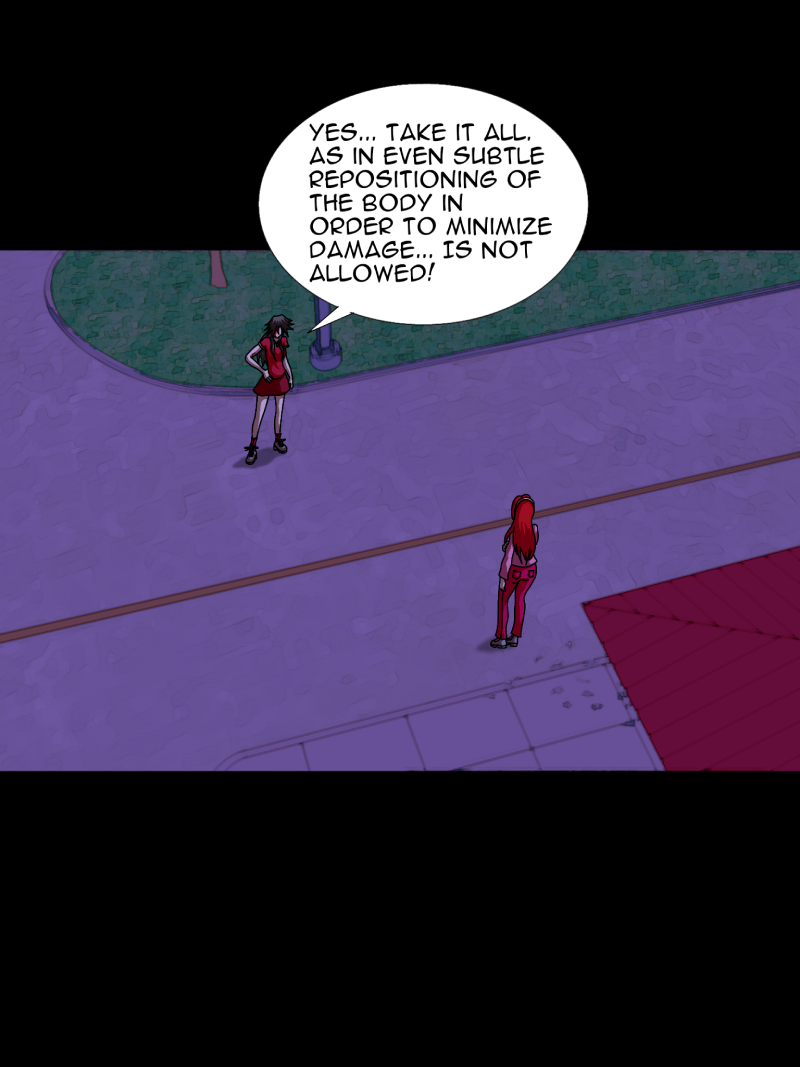
I'm working on a fight sequence in Chapter 7 of Etherwood. It's going just fine, but one thing that struck me is that, when compared to stories of a different genre, like battle shonen, I'm not doing much explanation of what the characters are doing in the fight. They just act and react with what they can do, rather than the typical scene you might recognize:
Mentor: "Ah, I see, the baka-baka technique. What an interesting choice for this scenario!"
Spectator: "The baka-baka technique? What's that?"
Mentor: "It's when you focus your inner baka energy in the most plot-relevant direction, and then throw a left hook and a charleston shuffle!"
But it's not just battle moves, sometimes stories take pains to explain every character's motivation for every decision, sometimes multiple times over.
I don't do a whole lot of explanation in Etherwood. This is practical, because if I was going to explain everything that I have going on, it would rival the Picatrix or the Dion Fortune's Cosmic Doctrine in complexity and length. That would be a boring comic! Instead, I've opted to be more experiential, showing how Veronica experiences the world as best as I can. Maybe at some point I'll explain what's going on in plain terms in some ancillary materials, but I'd rather people experience and enjoy the world than I would have them intellectually know what's going on under the hood.
That's normal for the retro fantasy genre stories I'm most influenced by, I think, if not modern ones. I'm probably 90%+ experiential or more. Of my influences, I think I'm less explanatory than the novels and slightly more than the films.
But what about your stories? How much experience vs explanation do you include in your story, and how does that rate compared to your influences and your genre generally?
Do you think comics should be more experiential than novels?