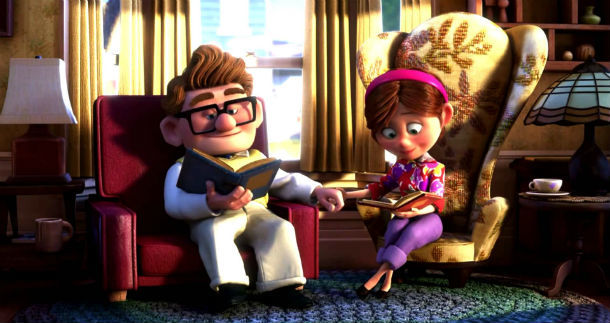
(i know there's flourless cake but like IGNORE THAT FOR THE PURPOSES OF THIS TWEET)
--
Also, obligatory mention that "show don't tell" has nothing to do with words vs pictures. After all, it's originally meant as a guideline for prose!
"Showing" doesn't mean using pictures, it means letting the reader come to their own conclusions, which can be done with images, or descriptions, or dialogue, or anything else.
so, like, if I have characters in the Magical Fantasy Land of the United States of America,
some folks would be tempted to explain the rules of the fantasy land -- have a scene in a classroom with a teacher explaining "Now as you all know, every four years we vote for the person who will be president of this country! People have the freedom to vote or not vote, and some people choose to abstain because they think their decision won't matter. But it's important, especially in an election year, like this one!" That's obviously telling.
But if you think the problem is the words, and try to show that information without using words, you're going to run into problems! If the gov't system of this fantasy world matters in-comic, that's info that needs to be conveyed to us clearly. Just adding a montage of a polling station and a president being sworn in doesn't really make a difference in the way it's being told. And trying to subtly charade the information to us in background details only works for some stories.
But, you could show us this information by having the characters encounter it naturally:
Character A: Hey man, you gonna vote tomorrow?
Character B: Why bother? It never makes a difference.
Character A: What are you talking about? This determines who runs the country for the next four years!! It's important! How can you blow it off like that?
That's really pretty painless, and despite being the exact same exposition the teacher gave us, doesn't feel like an infodump. We're learning about the characters AND the world, folding exposition into a moment of how their world impacts their lives and how their values conflict with each other.