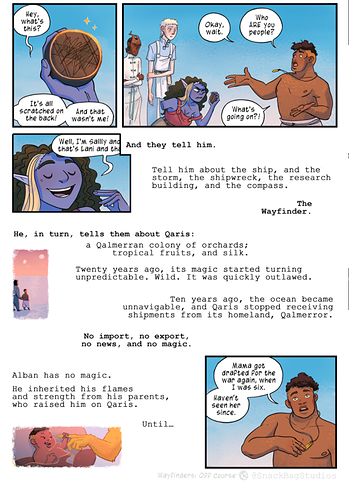
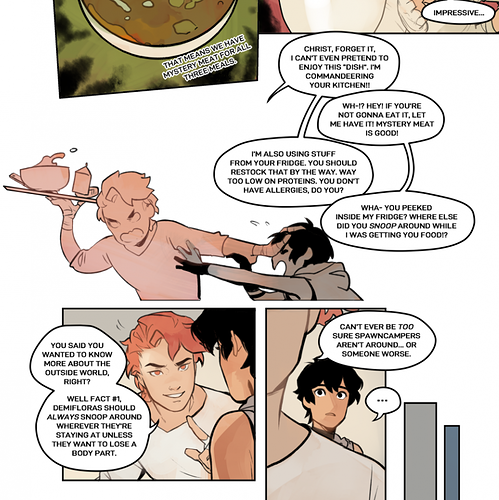
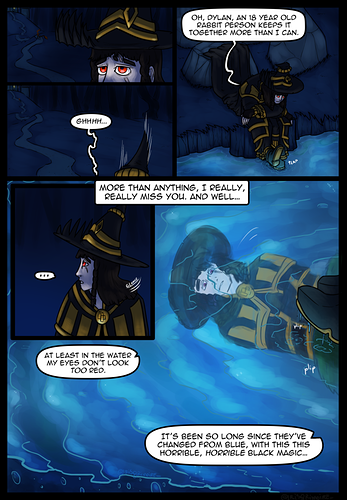
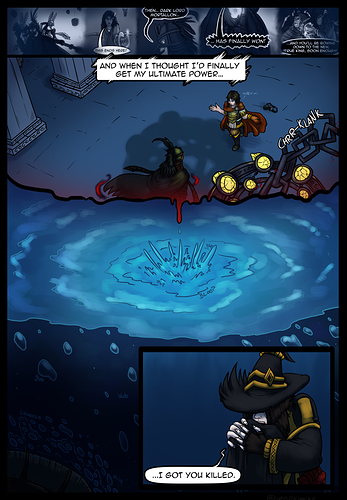
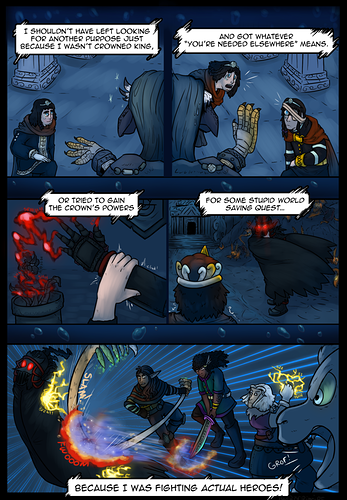
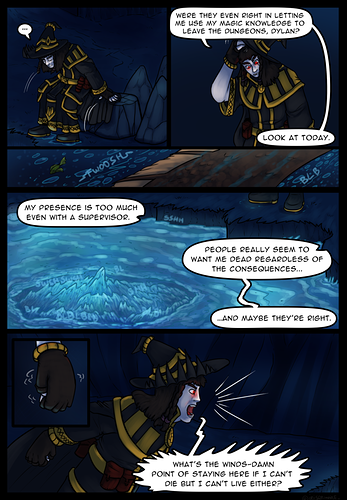
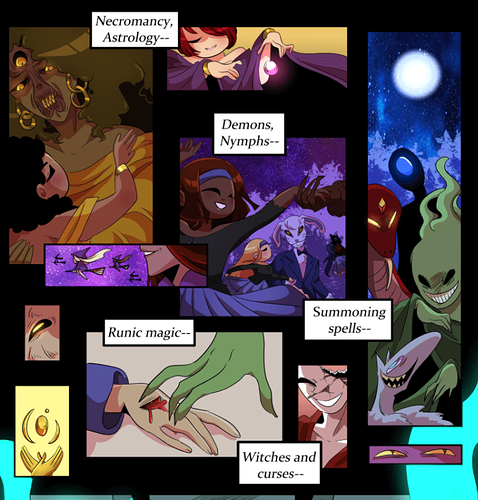
For moments like inner character monologues, I end up switching to narrative voice-over rather than thought bubbles. The perspective changes to Third-person limited, because the narrator is focusing more on one or two characters at a time and diving into their psyche. Here are some examples I have:
I find this to work better because it helps me transition from flashbacks to the present, as well as insert different types of symbols and scenarios, as @DiegoPalacios pointed out. Also, it helps me to work with Scott McCloud's ideas on Picture of Work:
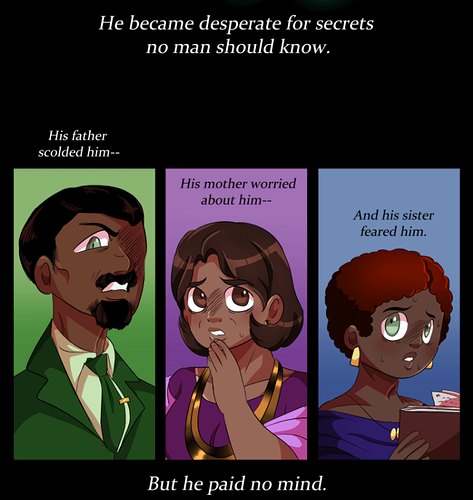
I can either make my panels do what the narrative says -- as you can see with the family's reaction:
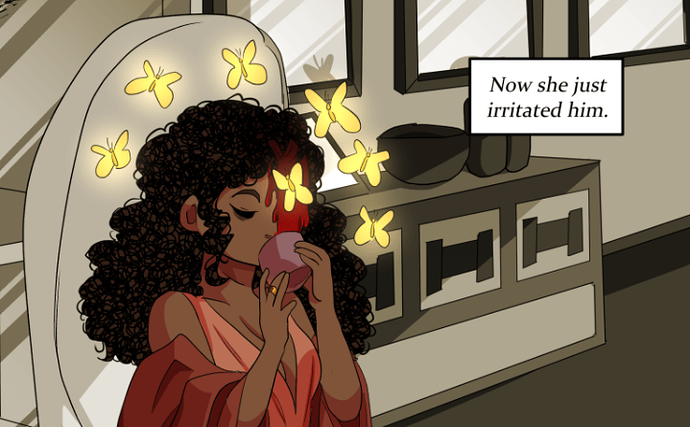
Or I can make my show differently from what the narrative says -- offering a different meaning to the words. Take this for example -- "No Worries: If Adoniem wanted his wife, Troy would gladly give her to him". With these words, you just think "oh, a husband is gonna leave his wife"
But when paired with this panel:
It becomes even deadlier.
If you find your characters thinking "too much", I think narrative voice-overs are really helpful. For me, it's offered a lot of ways to add meaning to words and alluded to a character's state of mind.