First off, read Understanding Comics and Making Comics by Scott McCloud. He does some 'exercise' type things in the latter book, but those two are primarily just the best resources out there for learning how to think about your comic as you make it: What to include or exclude in a panel, how time works in a comic, how cartooning and realism affects the reader's perception, how words and pictures interact with one another, etc. Legitimately invaluable pair of books for anyone who wants to make comics.
I can think of a few exercises you can do that might help:
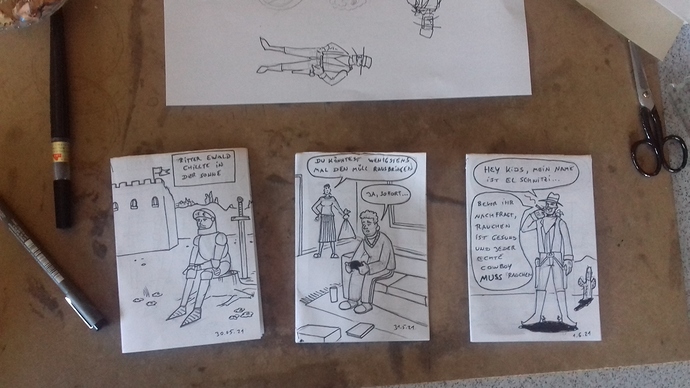
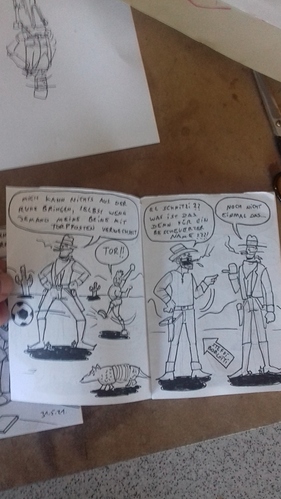
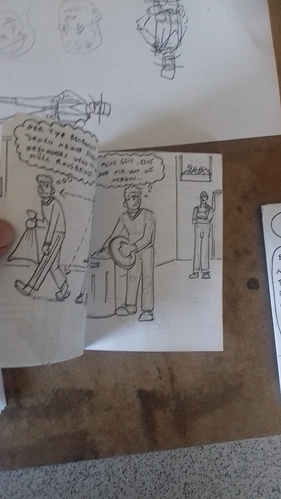
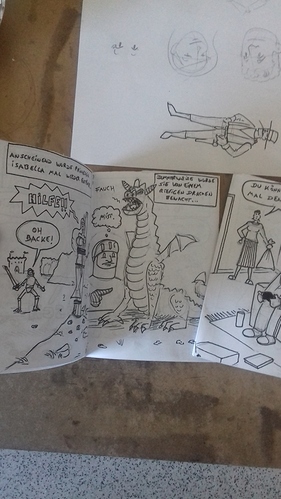
1: do a comic entirely in thumbnails.
Challenge yourself to make a complete story, but the comic is tiny and messy and sketchy. No room for details or gorgeously rendered art. Force yourself to use framing, composition, and very simple shapes to tell your reader what happens with as little information as possible.
2: Draw a character's room without the character in it.
This is one for if you ever find yourself slipping on environments: Pick a character in your story, and draw their room, but you're not allowed to draw them IN said room. You have to communicate to the viewer who lives there based on the posters they put on their wall, the plushies they keep on their bed, whether their clothes are in the hamper or on the floor, etc. The idea is to force yourself to stop thinking about 'backgrounds' and start thinking about 'environments'. The place where your comics happen can be just as, sometimes even more important than, the characters your comic happens to. Treat environments like another character and practice drawing those characters just like you would any others.
3: Draw your characters in an unusual environment.
Eichiro Oda is famous for doing this with One Piece; each chapter has bonus illustrations of the main characters in suits and cocktail dresses, playing on the beach, doing a cookout, as fantasy rpg characters, or whatever the hell else he wants them to be doing that week. It helps by A: giving you extra art to help promote yourself, and B: learning to portray the same person but within a different framework, forcing you to understand what has to stay the same about a character for them to be recognizable.
All three of the above are meant primarily as ways to get you thinking in a comics mindset instead of an illustration one; you're less focused on the art being pretty, and more on it being communicative. I'd recommend whatever block of time you normally set out for your own work flow, just take the first hour or so of it and do one of the above (or some other variant of comics-focused practice) in order to warm up your brain and get you thinking less about the technical details of drawing and more about storytelling.
I have no idea if that will help all that much, as I am personally HORRIBLE at routine and strict scheduling myself, but if you're having trouble committing to full pages, I think the best way to work up to that would be to spend a little time focusing on the strengths of the specific medium of comics and learning to think in those terms as opposed to straight-up technical details like an illustration might call for.