All the time. They work very well.
The alphabet soup language is what's called loren ipsum. It's basically like Simlish and is a computer language used for "filler". AI-generated text in titles is still pretty new so it's the "default" for now. The titles and subtitles are almost always editable. The smaller text in some of the AI-generated images is the artistic equivalent of drawing scribbles, pages with blocks representing text, or even weird symbols in place of standard lettering.

Here is a poster I did for a contest I entered. If I was ever to use it for a commercial project, it would only need minor edits to be good to go.
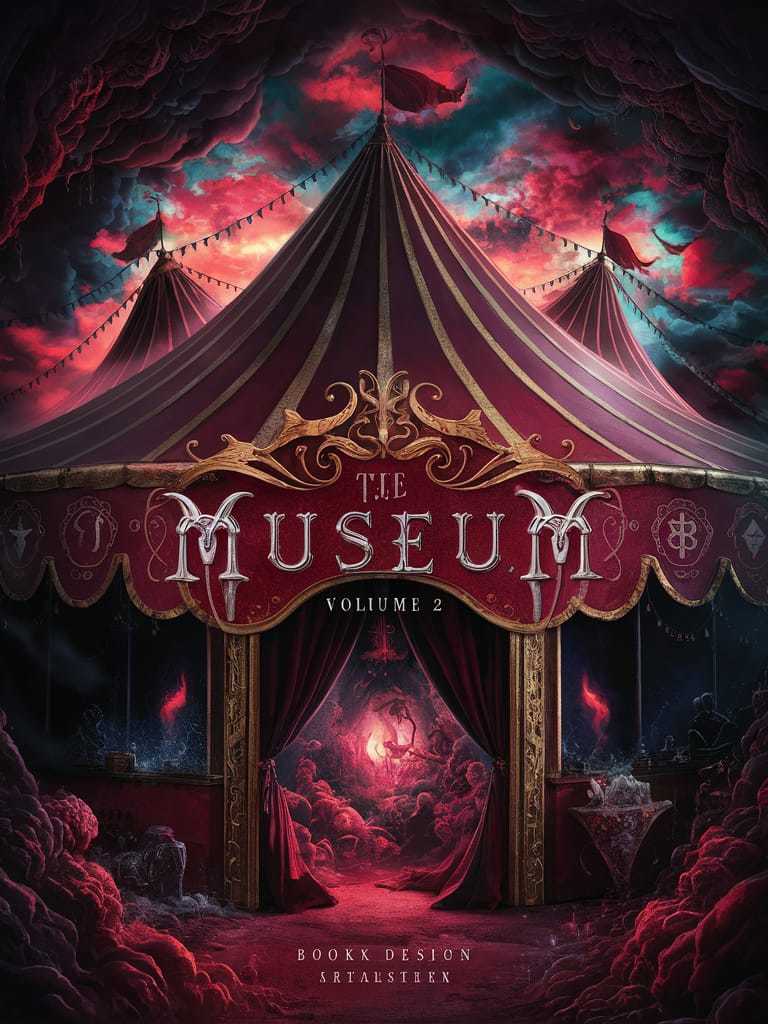
Here is a sample cover I did today. It's dramatic and is very eye-catching. I haven't decided yet if I'm going to update the book cover on Amazon yet, but this cover is a high contender.
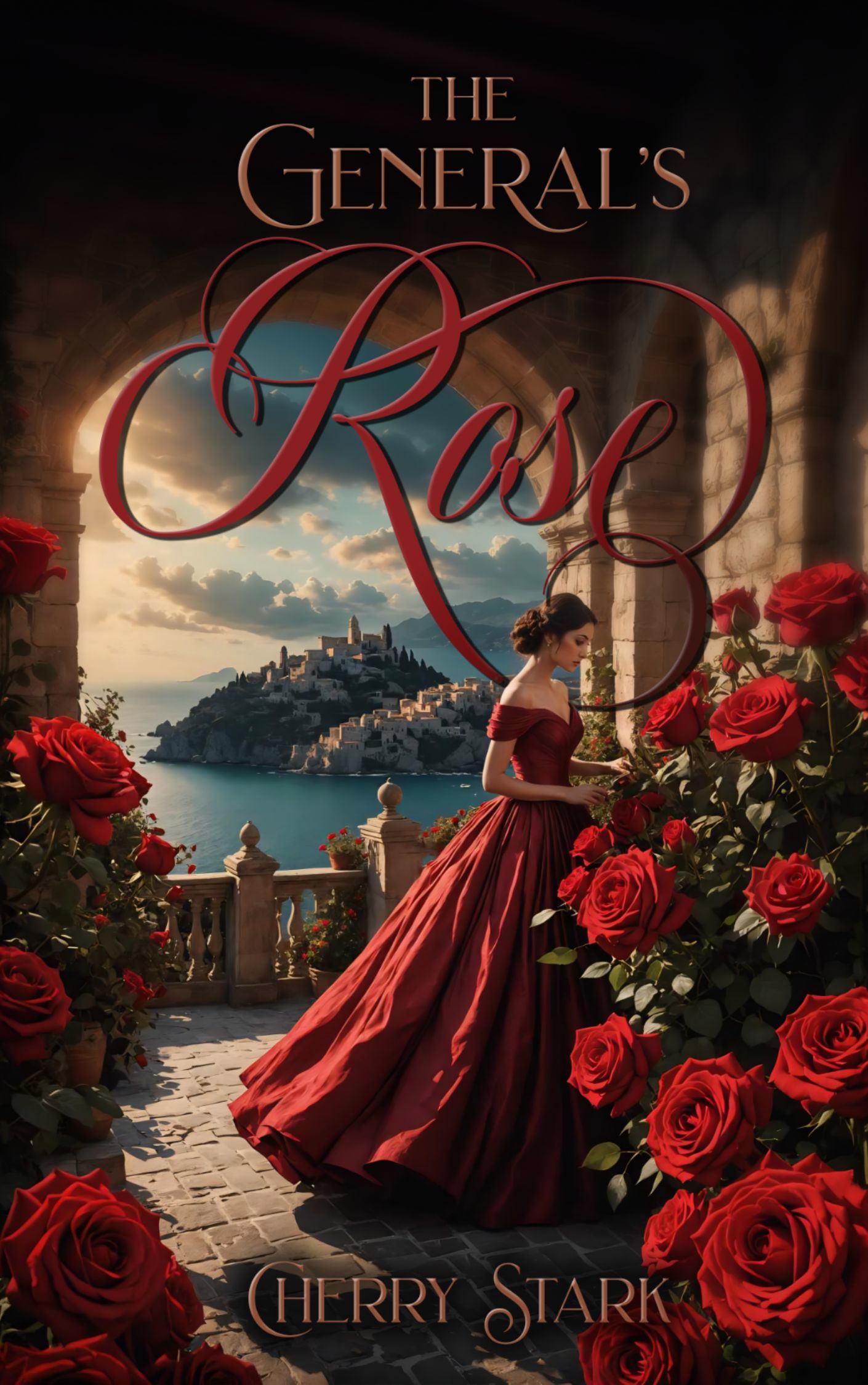
A friend helped me do some edits on this one. It's gorgeous and hits all the marks I was looking for before I relaunch the story for sale. The goal of a cover is to make readers stop and open the book. If you plan on selling books, you must ensure your cover appeals to the right audience. A good number of new writers when they join the world of indie publishing can't afford to hire traditional artists and are at constant risk of scammers. This option gives them a chance to build an audience and network.
If you don't want to use it, don't. I don't judge anyone for it because it's literally an accessibility tool. I don't know their circumstances.