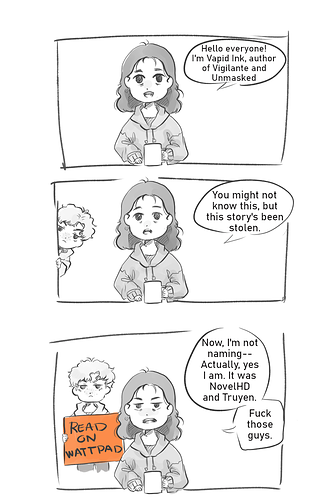
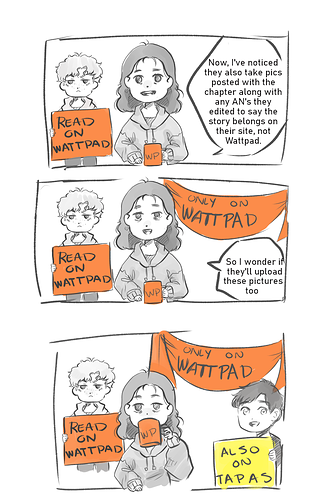
Copy pasted from internet.
You should try this, because google is not internet, but ISP it is, and they can take down a site.
Remember that you are protected just by creating the piece of art, and don't let you get intimidated by big internet corporations or anyone for that matter. Only you have the power to protect yourself -and that its from a legal standpoint, you are the only legally empowered to, so you should because nobody else has the power to do so.
"File a DMCA takedown notice
A DMCA (Digital Millennium Copyright Act) takedown notice is a way of telling a company that they’re hosting copyright-infringing work. This takes the complaint over the thief’s head to their ISP (internet service provider). ISPs have the ability to restrict offending content and are subject to huge fines if they refuse to do so, so they’re motivated and able to help.
A DMCA takedown notice is a simple way to protect stolen work.
This may sound complicated, but it isn’t. There are companies who offer to do this for you, but you’re highly unlikely to need their help, and filing a takedown notice shouldn’t cost you any money. It’s not some special service; just a regular part of US Copyright Law for which there’s no inherent charge. Here’s how it works:
Some hosting services – especially those that host blogs – will make things incredibly easy by allowing you to select DMCA or copyright complaints from a dropdown menu or via their support features. If this is the case, simply follow their instructions.
If that isn’t an option, use a free service such as whois.domaintools.com or whois.net to find out the ISP of the website that has stolen your work.
Go to the home website of the ISP and find their ‘DMCA’ section (you can do this quickly by searching for the term). Remember that you’re looking for the homepage of the ISP, not the homepage of the site that stole your work. The DMCA section will include the correct form for filing your takedown notice.
Fill out the form as instructed. You’ll need to provide your name and contact details, and a legally binding confirmation that you genuinely believe the material in questions infringes your copyright and intellectual property. To make things easier, make sure you’re able to link to where the stolen work is displayed (the page itself, not just the site), and your own original work. You’ll also be asked for a summary of the work. Make things as easy as possible for the person who reads the form – be clear, succinct, and provide links to everywhere they’ll need to check.
Once the form has been completed, you should receive some form of automated response. The ISP will then temporarily suspend the link to the allegedly infringing material. It will no longer be visible, but it does still ‘exist’ in the same space.
This will be the case for a few days, during which the site owner has the chance to contest your takedown notice. If they fail to do so, or agree that the content should be removed, the ISP will permanently remove the link, and your work will be removed from their site.
Most writers will find that this is the end of their troubles – ISPs have absolutely no desire to support stolen work, and thieves tend to see little value in fighting for something they didn’t produce in the first place."
From this page. There are a couple of more solutions, but this is the most definitve imo.