Ahead of time. @grimmikl, if you're not interested in improving your art at the moment or want to do it on your own. feel free to ignore the comment below. This is more for if you're interested in criticism, and being given resources. Really, you can do whatever you want with your art.
I'd agree with @sistalsartworkshop, and say the rest of the picture itself is also a little flat. The beads and flowers have good dimension, but I can't quite tell what's going on with the shading and such. The light source seems to be from above? but with how the shadows lay I can't quite tell. Certain parts of their bodies, such as the arms, legs, boobs, and hands lack shading which would give them that depth.

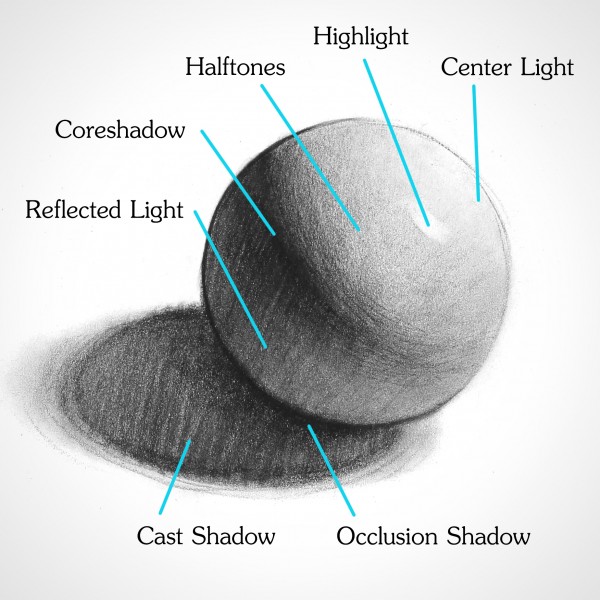
The images above, while not body parts, could be used as examples for how the human body could be shaded. With our rounded, curviness. Here's a link talking about learning to see light and shadow.

While hands are more advanced, the same kind of shading can also be applied to them. Try googling images of hands to help get an idea of how their bone and muscle structure works.
How you draw the folds of your clothes can also be and indicator for how much dimension something has. The folds of the brunettes sleeve lays over her arm as if it were flat.


While different types of fabric act differently on the body, such as thick/stiff cloth showing less wrinkles while thin cloth shows more, folds will always lay curved over things that are rounded.
Lastly, I had a hard time being able to tell what was shadow and what was the base tone due to the colour used for the shading. Shadows and light in real life can show a vast amount of colour depending on what is creating them.
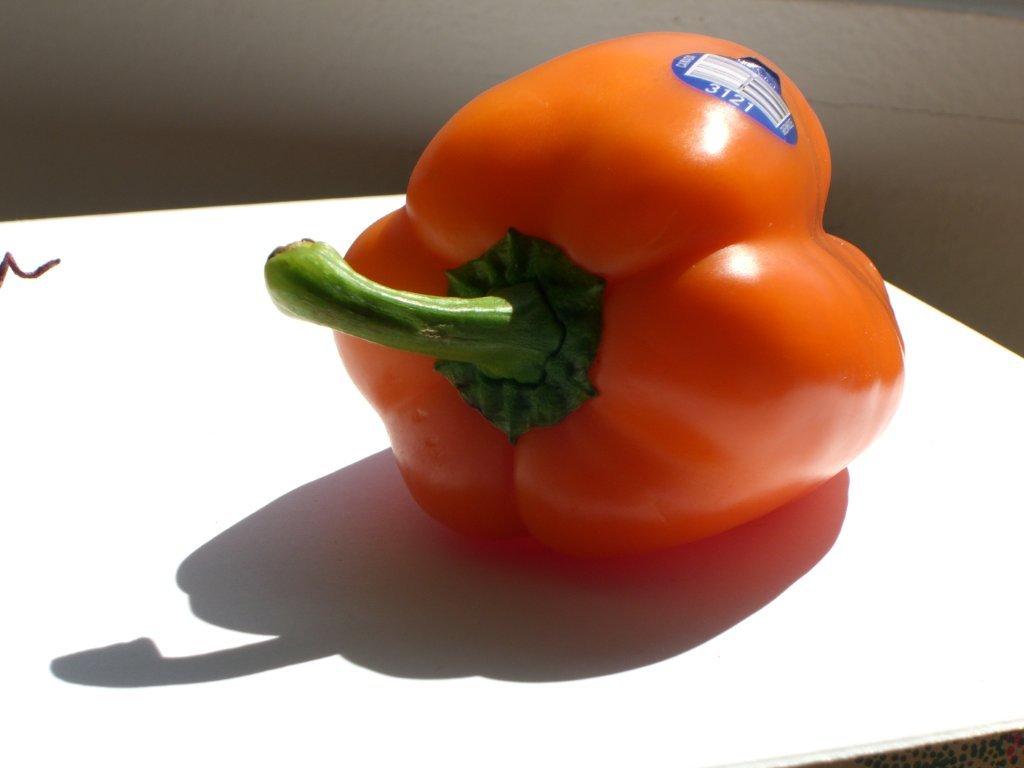
Look at this bell pepper for example. The shadow that is cast has an overall blue/purple hue, but the colours reflecting off the item cause the part of the shadow closest to the item to show red and orange, and a little green thanks to the stem. Shadows by themselves are generally cool colours such as blues, purples, and greens. There are several different things you can read which talk about colour and how you can use it (listed are only a few):
Shading with Colours
Use the Hidden Meaning of Colours in Your Art
The Role of Colours in Art
The Colour of Shadows
Try experimenting with your colours. Doodle something you don't care about messing up, or get a cheap colouring book and go to town on it. See how the use of certain colours affect part of the images, do 'The Colour Palette Challenge'. The worst thing that could happen is that you'll get better at it.
As for my stuff. I can, and have drawn on the computer, but it wasn't a very enjoyable process so I stick with using traditional mediums. I haven't drawn much of any illustrations in years, but I did draw a 'thank you' thing for people who've subscribed to my comic not toooo long ago.

This was colour with the same tools I use to colour the comic, some Prismacolor colour pencils. Needless to say, I am still learning my colours, and all that fun jazz.


