Good topic! We're definitely going through a huge shift in how comics are created and consumed, and it's something we as creators should be discussing a lot more. I'm optimistic overall, though there are some definite drawbacks which are worth dissecting.
I intend to make a living as a comic creator, in time. I'd be happy enough working as a comic illustrator within the traditional publishing sphere, but I can see the way the wind is blowing, and I think even the big comic publishers are going to begin earnestly experimenting in the vertical webcomic format soon. So I'm throwing my energy behind making my own webcomic, not because I think mine will become huge (not my current one, at least), but because I want to master the format, build an awesome portfolio focused on that, and find paid work. If WEBTOON picks up one of my series in the future, that'd be amazing. If not, so long as I can earn a good wage as an artist for a publisher, or make a living via Patreon, that's good.
I'm perfectly happy to have my webcomic freely available. Keeping it free-to-read is a great way to build an audience, something I've always struggled with as an illustrator. Posting on WEBTOON, with their massive reader base, is an obvious choice for any small creator trying to grow.
Something I am happy to do, which WEBTOON does with its originals, and which many indie creators do with their Patreons, is having people pay to read ahead. That's pretty compelling for a lot of folks. Not to mention, on Patreon, that usually comes bundled with behind-the-scenes glimpses, sketches, process videos and so-on. Patreon and Ko-fi are both very appealing methods for smaller creators to monetise their work.
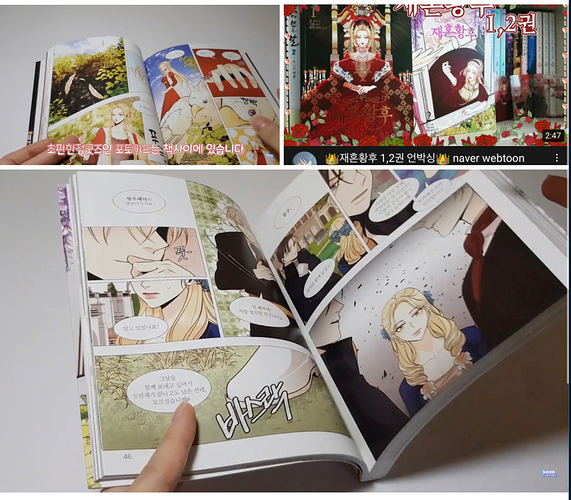
Both indie webcomic creators and WEBTOON original creators can reformat their comic into a physical book, for sale either online, or at conventions and such. So that's another potential revenue stream.
The lower barrier to entry is both a pro and a con. It's great that people who may have never otherwise made a comic, or had a way to get it in front of an audience, are now able to find success. I would never have thought to start mine if my only option for publishing it were a traditional publishing house. The downside is over saturation of the comic market with poorly-made work, much of which gets abandoned. Still, quality work tends to be noticed in time. It's harder now than it was a few years ago (going by what I've heard) but it's still achievable with patience and tenacity.
Lastly, something I absolutely adore about publishing online episodically, rather than in a graphic novel, is the audience engagement we get to enjoy as creators. That just doesn't happen in the same way if, let's say, you're publishing a graphic novel through a book publisher. I love that feedback, I love reading people's reactions to jokes, big reveals, and so-on. I originally envisioned my Dragonfeathers comic in a graphic novel format, but I'm truly re-assessing that now.