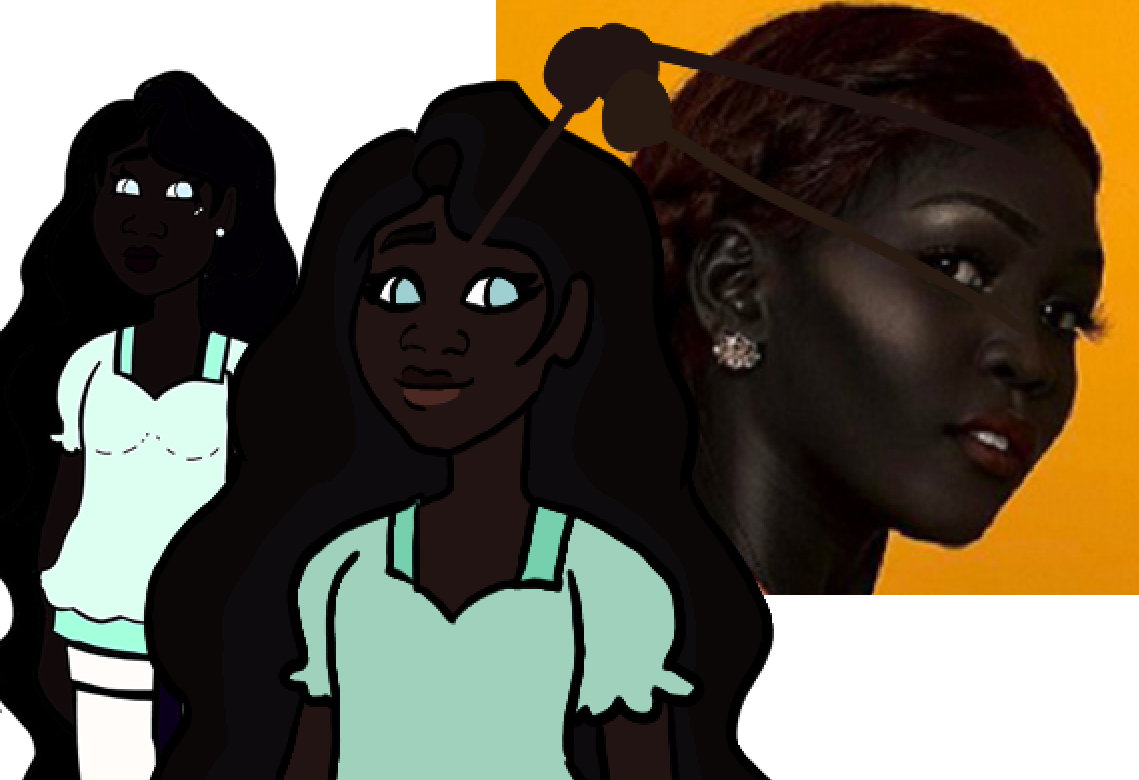
...I hope this wasn't directed at me, but on the off-chance that it was, I'd like to clarify my explanation:
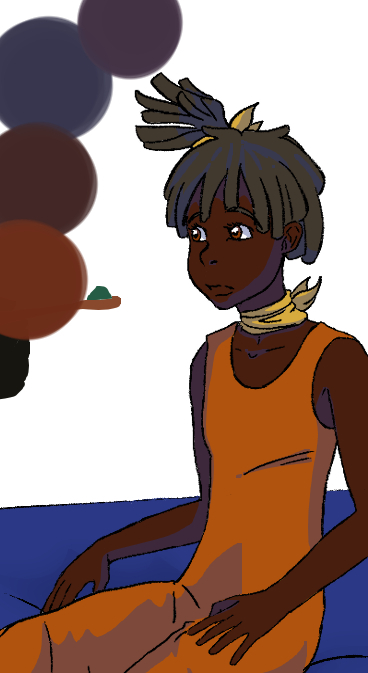
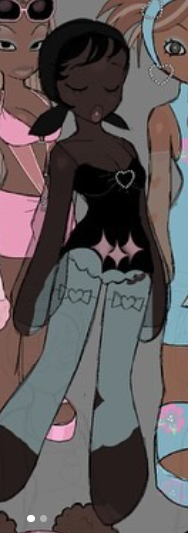
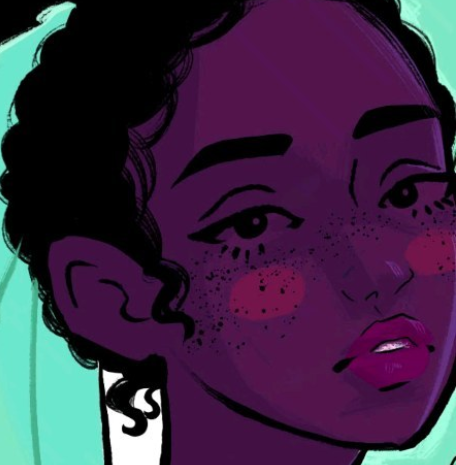
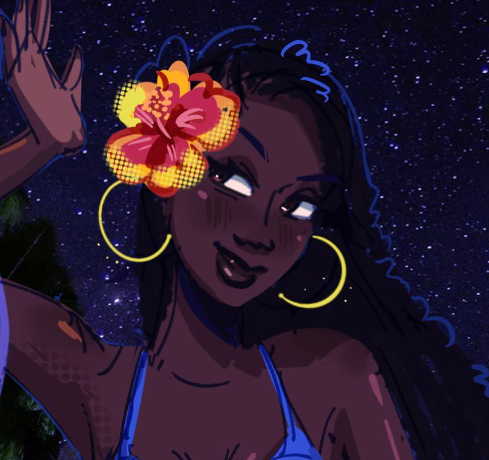
I wasn't trying to say that certain colors can't be used at all to depict dark skin, I was trying to say that in certain contexts they do not REPRESENT dark skin well, simply because they make the image way too difficult to read.
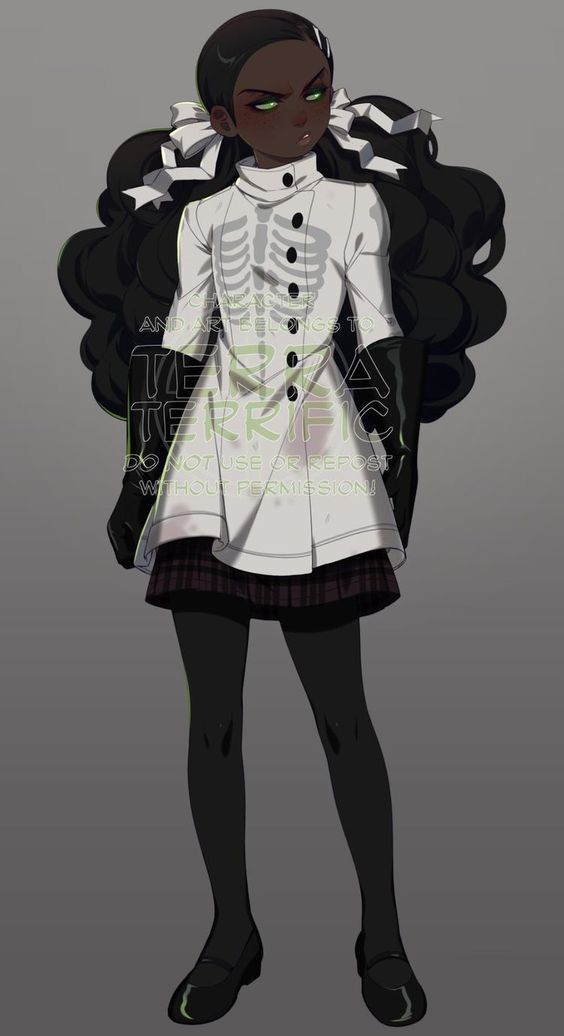
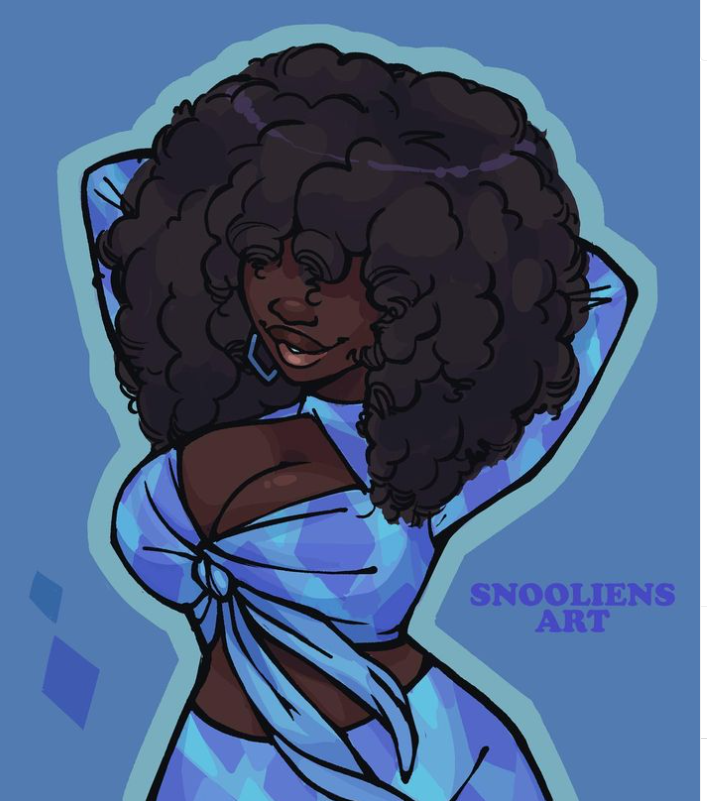
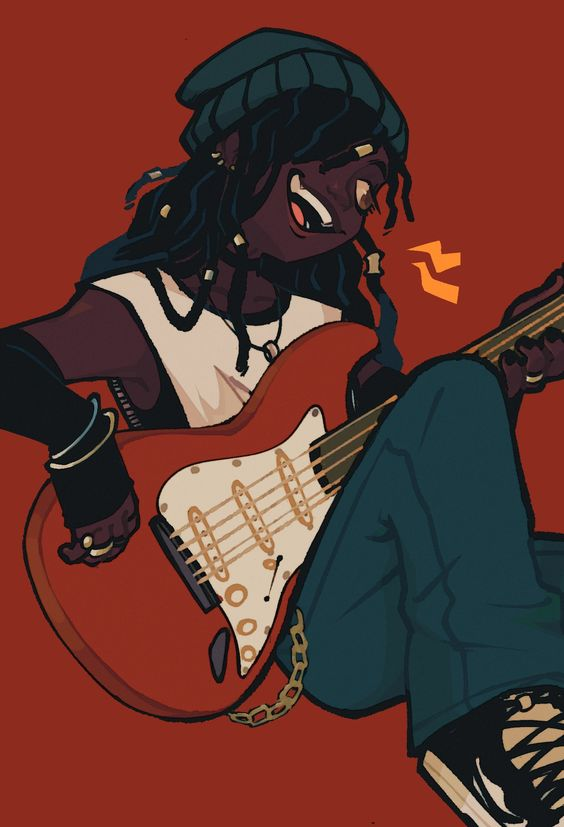
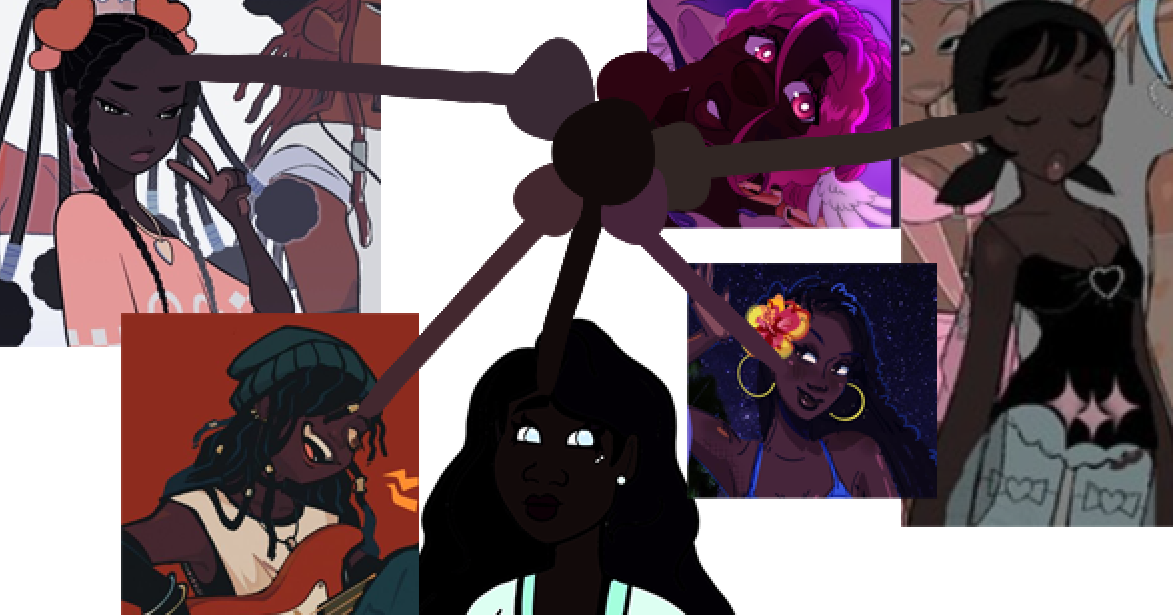
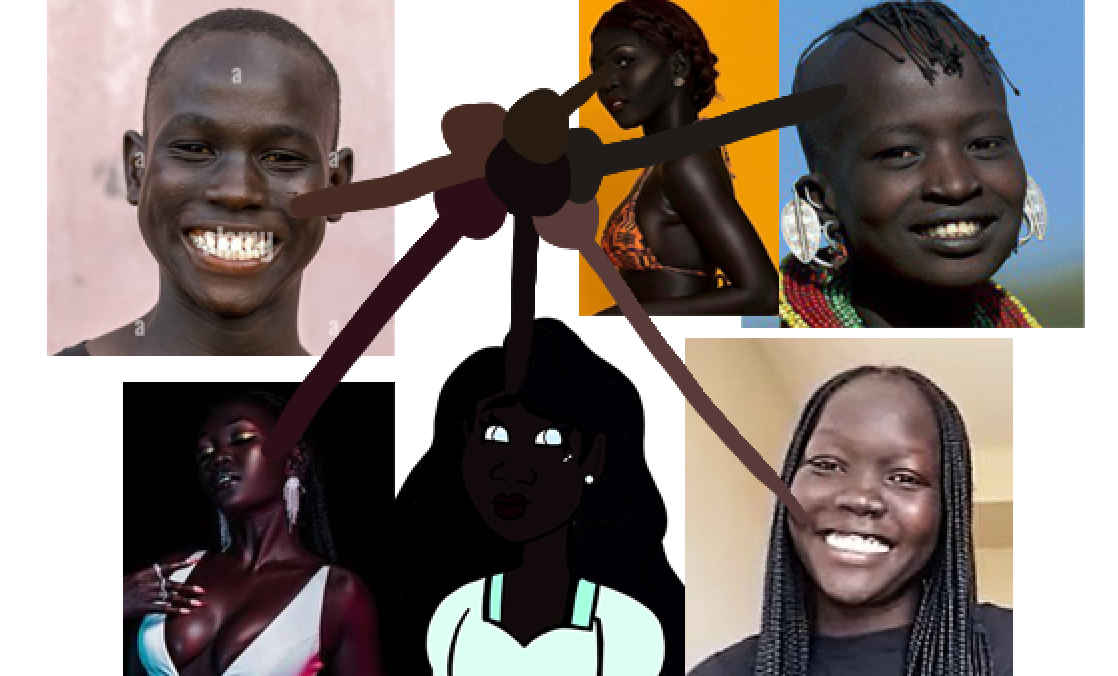
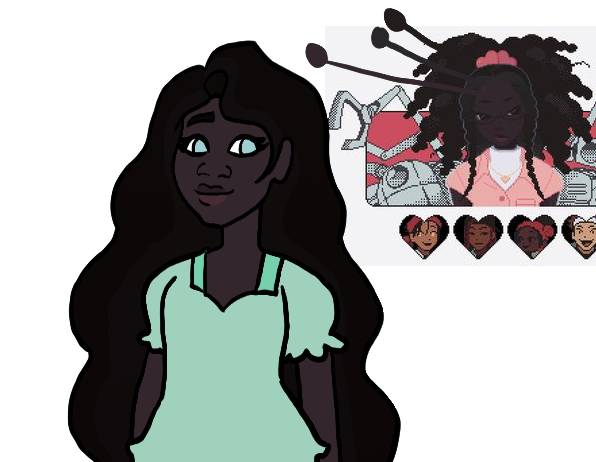
There is a reason that POC cartoon characters don't usually have skin colors that are near-identical to the lineart colors-- the viewers won't be able to see! Lightening/brightening the skin color to fix an issue like that is not an "excuse", it's simply a color correction on the same level as toning down hyper-saturated colors so that the viewers don't get eyestrain looking at your characters, or changing the color grading of a film so your characters don't get lost in the shadows. When done correctly, the character's skin should still read as 'dark', just in a more skillful way that allows the viewer to understand and enjoy the art.
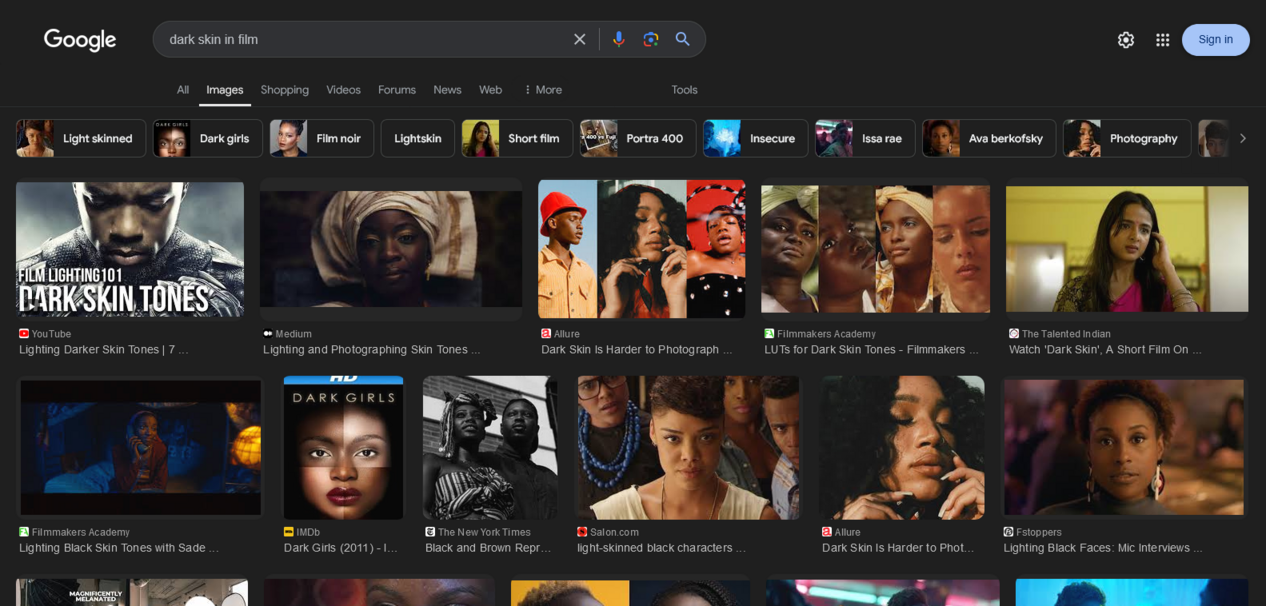
As I stated, real black people's faces are visible. So the faces of your fictional black characters should still be visible. There are TONS of shades you can use to make that happen; there is no skin tone that cannot be adequately represented by some color somewhere. But not EVERY color is right for the job in every instance, and there's nothing wrong with that.
Or I guess, to put it a different way: every skin tone can be represented by a range of different colors, the artistry lies in putting the right ones in the right contexts. A context where the color of your lineart is nearly the same is probably the wrong one to use that color in.
Like, even with a white character: you can't use your favorite vampire-white skin tone if your lineart is also white. No one's saying that skin color isn't allowed, they're saying the piece won't be readable if you use it there. So you need to either pick a new color, or change the surrounding colors. The context matters.
And yes, the simplicity of a style also matters, because simple styles tend to lose readability more quickly. Photorealistic pictures can use a wider range of colors and still read well, because they already contain a huge range of colors, along with more lifelike visual cues to tell the viewer what they're looking at. A photorealistic piece that's 99% shadow and dark tones can still be readable if you know what you're doing.
Meanwhile, if you're using a simplified style-- say, B&W manga-- and you decide your one black character should just be a fill-bucketed black silhouette because they have very dark skin, they're going to read poorly, and you're going to look like a lazy, racist artist. Deciding to use dark screentones instead isn't playing in anyone's faces, it's making a better artistic choice that actually represents the idea of a dark-skinned person in your artstyle, rather than looking like a caricature.
I hope I explained myself well enough this time; I really don't want it to seem like I'm saying something I'm not (artist of color here; I may not have darker skin myself but most of my family does, and I've been coloring characters of color since I was a child mixing the peach and brown crayons together).
At the same time though, I have to insist that dark skin is not magically the one area of art where anything goes and nothing can ever look wrong. You absolutely CAN make dark skin look wrong by making bad color choices, the same way you can make any other aspect of a character design look wrong. It is OK to choose one color over another EXTREMELY SIMILAR color if it makes your piece look better, and no mature artist will shame you for it.
...I really think we have to be able to acknowledge nuance in these issues if we want people to take the time to learn how to depict people of color well and feel comfortable attempting it. I've never liked how scared people sound when asking questions about this topic, but I can't blame them because critics are so quick to assume the worst...there are plenty of artists out there who are actually overtly colorist/racist and deserve that harsh criticism; there's no need to pick at someone who shifted a character's skin tone by 5%.