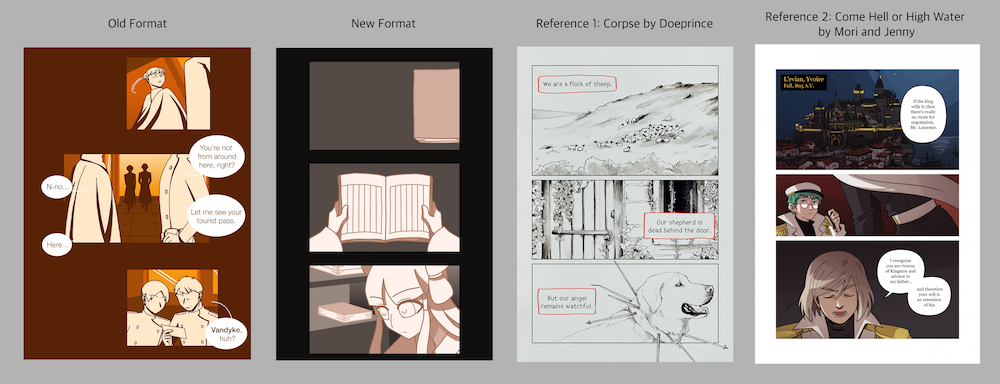
I think the reason this format doesn't seem to be working for your comic (judging by the "New Format" example) is because you're not actually using it very well...both reference examples have very thin horizontal gaps and wide margins, giving the pages a stylish feel and putting the viewer's focus on the panels and their contents. The contrast between negative space and the expressive drawings can be viscerally felt.
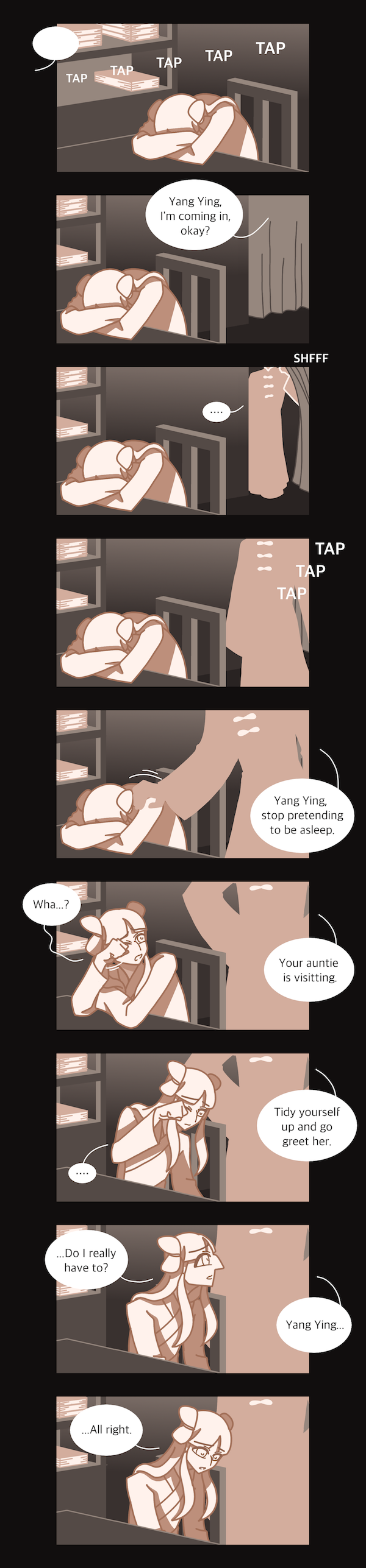
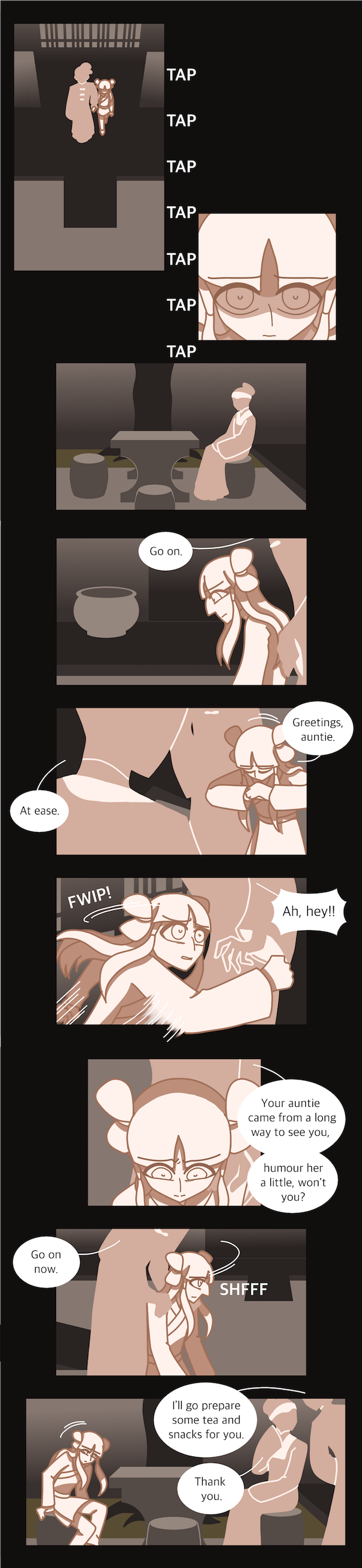
Meanwhile, your format has 'kind of thin but not very thin' horizontal gaps (that are visibly uneven...) reducing the contrast with the margins and the large amount of negative space within the panels...making the page feel haphazard and confused, like you're just throwing shapes around with no intent. Note that the example pages have panels of different heights depending on the emphasis of the contents, while your panels are all roughly the same size...again, it doesn't feel like there's intent here. I don't know what you want the viewer to focus on.
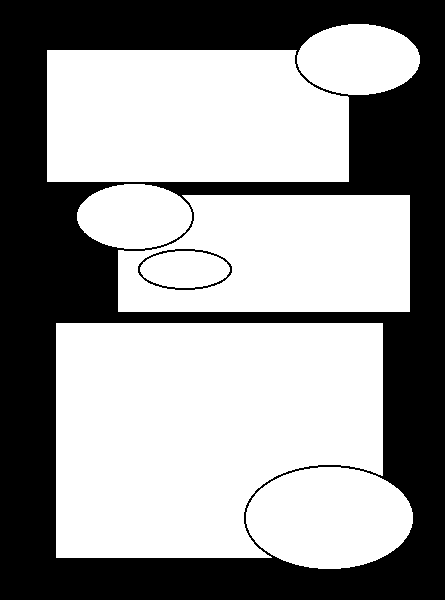
It doesn't help that the "New Format" page looks unfinished...like, it's hard to get a feel for whether this format even fits your art style or not. If it IS finished, then I would say no. Better paneling alone won't improve the look of a comic where most panels are filled with empty space...your original 'offset' format with the speech bubbles filling in the gaps is a better fit for that kind of art. If it were me, I would try to merge the two, like maybe just do much bigger offset panels in this vein: